

Last Updated on December 27, 2025 by Black Sunshine Media
I can’t believe it’s been 10 years since I started this Albums You Must Hear Before You Die…Or Not project. If this post is your introduction to the gambit, here’s a quick rundown of the timeline:
In 2015, I took it upon myself to listen to every album in the book, 1001 Albums You Must Hear Before You Die by Robert Dimery (editor) and Michael Lydon (preface).
The primary goal was to decide if, in fact, all these albums were something we needed to hear before we die.
Six months later, after listening to (and reviewing for your reading pleasure) roughly 666 albums (or two-thirds of the list), I finished reviewing 1991–1992 and abruptly bailed out of the project.
I quit for two reasons. First, I didn’t want to hear the albums made after 1992 because that’s when (I think) music stopped being music. Second, I couldn’t spend another three months on a project that few people were reading. And for a long time, I stopped working on BSM altogether. In a way, the 1001 Albums gambit broke my will.
From Albums You Must Hear Before You Die…Or Not (1993–1994)
Another 10 years down the road, a friend suggested that I finish what I started.
Popular vs. Good
I have many ferocious opinions about rock music. For example, in the late 1980s and early 1990s, the development of digital technology all but destroyed rock music (and many other styles). As digital audio made its way into the bedrooms of budding young musicians and DJs, the sudden element of “anybody can do it” washed across the spectrum. Rock music, in particular, entered the era of “cut and paste” and “fix it in post-production.”
Despite my cognitive bias, I must admit that many great (and underrated) rock bands came from the underground and independent scenes during this mid-’90s period of stasis. Bands such as Swervedriver, Olivia Tremor Control, Five Style, Brainiac, Sebadoh, and Silkworm released great records in 1995–96. Unfortunately, most of the artists who made the charts did not.
So, fuck it. Let’s hear what I have to say about the albums you must hear before you die…or not from 1995 and 1996.
Alanis Morissette – Jagged Little Pill (1995)
Taylor Swift was six years old when Alanis Morissette blazed new trails for women in pop and rock music. I wonder if Swift ever sent flowers or a thank-you note. It would be the polite thing to do.
With 33 million copies sold worldwide, 17 million in the U.S. alone, Jagged Little Pill ranks alongside Boston’s debut album (1976) and Bruce Springsteen’s Born in the U.S.A. (1984), and sits among the Top 100 best-selling albums of all time. That’s fuckin’ popular.
The album was produced by Glen Ballard, who also co-wrote the music. Before his involvement with Morissette, Ballard achieved notoriety for co-writing Michael Jackson’s “Man in the Mirror” and Wilson Philips’ “Hold On”. Nothing is a sure thing in this life, but Morissette got super fuckin’ lucky. Right time, right place.
Musically, Jagged Little Pill is a flavorless, mid-tempo wash of alternative and post-grunge rock with an aggrieved young woman howling over the top. At the time of its release, Morissette was lauded for her bravery, conviction, and unique perspective, but Jagged Little Pill is further proof that “incredibly popular” doesn’t necessarily mean “good.”
Morissette went worldwide at the age of 21, and one can only imagine what it feels like to be so successful at such a young age. The follow-up to this record, Supposed Infatuation Junkie (1998), only moved 5 million units, and I dunno what happened after that. But why would Alanis care? She could retire on the publishing royalties of “Ironic”, which has 587 million streams on Spotify to date. Isn’t it ironic?
There’s nothing on this album you must hear before you die, if you haven’t heard it already, which, the odds are pretty good that you’ve heard “You Oughta Know” because Beyonce once did a cover version at the Grammy Awards or some shit.
Suggested Alternative: Björk – Post (1995)
For her second album, Björk followed the blueprint of Debut (1993), but louder, stranger, and more adventurous. Where the first record sketched out her electronic instincts, Post ventured into the deep end of techno, trip-hop, EDM, house, ambient textures, bits of jazz, and industrial noise. I typically hate all that shit, but somehow, Björk makes it work for me.
The run of singles—“Army of Me,” “Isobel,” “It’s Oh So Quiet,” “Hyperballad,” “Possibly Maybe,” and “I Miss You”—was promoted by surreal and hyper-stylized videos, pushing the boundaries of the mid-’90s.
Today, Post sits high in the art-pop canon for its wild ambition and its weird, lasting freshness. But that’s the problem with art-pop: it’s got a shelf life and an expiration date.
D’Angelo – Brown Sugar (1995)
I don’t have the qualifications to discuss soul music in depth, so I’ll go with the Allmusic review on this album. Yes, Brown Sugar is something you should hear before you die.
Elastica – Elastica (1995)
This album represents the New Wave of New Wave (NWONW), one of the shortest-lived subgenres of alternative and electronic dance rock. Like a fart in the wind. Elastica doesn’t belong in any conversation about anything you must hear before you die.
Femi Kuti – Femi Kuti (1995)
Femi Kuti is the eldest son of Afrobeat pioneer Fela Kuti, a Nigerian and international icon.
Technically, this eponymous album of African jazz and funk is Kuti’s third effort, but the first to reach global audiences, and thus, an important milestone in world music. The album introduced Kuti’s cleaner, more succinct take on his father Fela Kuti’s legendary Afrobeat sound.
Foo Fighters – Foo Fighters (1995)
Grunge blew its head off with a shotgun a year earlier. If you were wondering who, if anybody, would honor the grand tradition of loud guitar rock with screamy guy vocals, Dave Grohl and his project, Foo Fighters, were two steps ahead of you, followed closely by a bunch of A&R guys who saw dollar signs in every direction.
No disrespect, but I won’t listen to this bullshit, and I change the station every time a Foo Fighters song comes on the radio. However, this album provides context for the next decade of mainstream American modern rock aka butt rock. You absolutely DO NOT need to hear Foo Fighters before you die. You could, but you don’t need to.
Garbage – Garbage (1995)
Very few bands tell you what to expect upfront, and that’s the best thing I can say about Garbage. It is what it is, baby.
After producing Nevermind (1991) and Siamese Dream (1993), Butch Vig was sitting comfortably at the top of the 1990s alternative rock music producer food chain. For whatever reason, he decided to put this roman a clef post-grunge electronic band together.
This is an album you should run, nay, sprint from if you see or hear it coming.
Suggested Alternative: Mike Watt – Ball-Hog or Tugboat? (1995)
When fIREHOSE broke up after eight years and six releases earlier in 1994, bassist and indie rock legend Mike Watt found himself at a personal and professional crossroads. Without a full-time band, Watt recruited a rotating cast of alternative rock all-stars to participate in the recording of his debut solo album, Ball-Hog or Tugboat?. The guest appearances read like a Who’s Who? Of Indie Rock:
- Henry Rollins (Black Flag)
- Thurston Moore, Steve Shelley, and Lee Ranaldo (Sonic Youth)
- Curt and Cris Kirkwood (Meat Puppets)
- Nels Cline (Geraldine Fibbers, Wilco)
- J Mascis (Dinosaur Jr.)
- Eddie Vedder (Pearl Jam)
- Krist Novoselic and Dave Grohl (making their first recorded appearance on a record since Kurt Cobain’s death)
- Stephen Perkins (Jane’s Addiction, Porno for Pyros)
- Flea (Red Hot Chili Peppers)
- Kathleen Hanna (Bikini Kill)
- Dave Pirner (Soul Asylum)
- Pat Smear (Germs, Nirvana)
- Frank Black (Pixies)
- Evan Dando (The Lemonheads)
- Zander Schloss (The Circle Jerks)
- Mark Lanegan and Gary Lee Conner (Screaming Trees)
- Mike D and Ad-Rock[(Beastie Boys)
- Bernie Worrell (Parliament/Funkadelic)
Genius GZA – Liquid Swords (1995)
Like soul music, I don’t have the chops to evaluate hip hop with genuine conviction, mainly because I don’t listen to rap or hip hop regularly, and hence, Liquid Swords.
Goldie – Timeless (1995)
They say Timeless is a landmark recording in the history of drum and bass music.
Guided By Voices – Alien Lanes (1995)
After a decade in obscurity, releasing seven albums on tiny independent labels like Scat Records, GBV signed with Matador Records, a medium-sized indie label with major indie credibility.
According to James Greer’s book Guided by Voices: A Brief History: Twenty-One Years of Hunting Accidents in the Forests of Rock and Roll, the advance for the record was close to $100,000, one of the more expensive deals in Matador history. In contrast to the lucrative deal, Greer mentions that “The cost for recording Alien Lanes, if you leave out the beer, was about ten dollars.”
Some consider Alien Lanes to be GBV’s finest lo-fi moment, and I would tend to agree.
Jeff Buckley – Grace (1995)
The loss of Jeff Buckley is the greatest tragedy in rock music history since John Lennon was killed.
I wish I could honestly tell you that I listen to Grace all the time, but I don’t. Painful isn’t the right word. Disappointed is probably better. I’m sad that he’s gone, and I don’t want to be reminded.
Leftfield – Leftism (1995)
Electricity is the foundation of popular music, given guitar amplifiers and stereo systems and whatnot. I’m extremely fond of electronic instruments in pop and rock music. None of the music we hear and love today gets made without electronics and technology. I approve of electronic music in principle and practice. But…
I can’t abide by music that sounds like button-pushing, and what I mean by that is progressive house music. These guys are DJs, not musicians, regardless of their background in percussion. They make coordinated or synchronized mechanical sounds for dancing under the influence of alcohol and drugs. It’s not music. It’s the sound my hard drive made when the heat sink failed—over and over and over, until the Molly wears off and everybody’s gotta go.
Imagine you’re a successful oil painter who’s sold a few canvases in your day. How would you feel if the people who bought your paintings went home, chopped them up, mixed them with other images completely unrelated to your work, produced a new image, sold millions of copies, and called it art? I’d call it copyright infringement and wait for the check.
Nightmares On Wax – Smokers Delight (1995)
Here’s a perfect example of why I stopped reviewing these records in 2015. Ninety-five percent of the popular music made since 1991 is complete bullshit. And this Nightmares On Wax crap is ambient music for an upscale bistro in a fancy part of town. I’m appalled that any self-respecting “critic” thinks this is must-hear material.
Oasis – (What’s The Story) Morning Glory? (1995)
(What’s The Story) Morning Glory? is the album that broke Oasis in the U.S., bringing lad rock shoulder to shoulder with butt rock.
When Lenny Kravitz released Let Love Rule (1989), critics called out his blatant appropriations of John Lennon and Stevie Wonder. But you know what? That’s an interesting hybrid, and Kravitz pulled it off.
Oasis borrows from the Beatles and T.Rex, minus the sex. There is nothing sexy about Oasis. They score a few memorable hooks on “Wonderwall” and “Champagne Supernova”, but What’s The Story is the musical equivalent of listening to a soccer (football) match.
I know they’re multi-platinum superstars, but they act more rock n’ roll than they sound. It’s all pretense. Would it kill them to play something faster than 120 bpm?1
Pulp – Different Class (1995)
“Common People” is one of the few Britpop anthems to stand the test of time.
Radiohead – The Bends (1995)
Thirty years later, people are still talking about how The Bends is the best guitar-based alternative rock album of the 1990s. I think it’s one of the best. We can’t overlook Superunknown (1994) by Soundgarden or Loveless (1991) by My Bloody Valentine.
Raekwon – Only Built 4 Cuban Linx (1995)
Wu-Tang Clan was, indeed, nothing to fuck with.
Rocket From the Crypt – Scream, Dracula, Scream (1995)
I struggle with the inclusion of this album because it’s the major-label debut of a previously hardcore punk band, and technically, it signaled the emergence of corporate punk, which was bad for everybody except the corporations.
Supergrass – I Should Coco (1995)
Sassy power pop and punk rock. Right on! I like I Should Coco, and I think it’s a must-hear album because the competition for the period (1995–1996) is so fucking paltry. This is among the best we have to offer, for now. They make Oasis sound like students.
Personally, their next album, In It for the Money (1997), is the must-hear album.
The Chemical Brothers – Exit Planet Dust (1995)
Nope.
The Smashing Pumpkins – Mellon Collie and The Infinite Sadness (1995)
There’s probably a decent single album within the double-album sprawl of Mellon Collie that would have rivaled Siamese Dream, and satisfied all the fans who wanted Siamese Dream II. The band (Billy Corgan) chose to pursue ambition and excess at the cost of contrivance. Fair enough. The album sold over 5 million copies within a year of its release. “Bullet With Butterfly Wings” digs hard and deep, but “1979” and “Tonight, Tonight” sound like Corgan was trying too hard for hits. I mean, he was right. They were huge hits! But remember the intro? Popular doesn’t always mean good.
Suggested Alternative: Weezer – Pinkerton (1995)
If you really want to hear some good singing and playing from a self-absorbed songwriter with yellow fever, Pinkerton gets you all the way there in about half the time.
The Verve – A Northern Soul (1995)
If you discard “Bittersweet Symphony” from the Verve catalog, there’s not much to keep your attention. A Northern Soul is entirely style over substance. If Richard Ashcroft didn’t have those Adam Ant on heroin cheekbones, nobody would have listened to this plodding Britpop post-grunge guitar rock with even less melody than Oasis.
The most enjoyable part of the must-hear album experience is that I don’t give a fuck. Few people are going to read this, and fewer will give a shit about my opinion, so I can say whatever I want with impunity. Unlike many other albums on this list, I listened to A Northern Soul from start to finish, essentially while I write this.
I keep thinking, “Is anything gonna happen? Are they going to bring the rock?” and the answer (on both accounts) is a solid no.
TLC – CrazySexyCool (1995)
There’s a great video of Lisa “Left Eye” Lopes explaining how an artist could sell 10 million copies of an album and still be broke. She’s talking about CrazySexyCool, which went on to sell 17 million copies worldwide.
Tricky – Maxinquaye (1995)
Irony is the guy who essentially invented trip hop, hates the term, and wants nothing to do with it. The above star rating is an aggregate of Maxinquaye reviews from trusted sources.
Ash – 1977 (1996)
Severely underrated British alternative power pop. It’s nice to know that Badfinger didn’t perish in vain.
Barry Adamson – Oedipus Schmedipus (1996)
See: The Chemical Brothers – Exit Planet Dust (1995)
This is the second Barry Adamson album on the official 1001 Albums You Must Hear list, and the second soundtrack to an imaginary film that sounds like a drag.
Beck – Odelay (1996)
Many people, myself included, didn’t think Beck was going to amount to anything after Mellow Gold (1994) and “Loser”. He had flash-in-the-pan written all over him.
With an updated slacker vibe, it’s not my favorite Beck album (that would be Mutations (1999), but Odelay is a solid fuckin’ statement. This kid isn’t going away anytime soon.
Belle & Sebastian – If You’re Feeling Sinister (1996)
I’m feeling angry about listening to this adult contemporary posing as art rock crap, if you’re asking.
Belle & Sebastian – Tigermilk (1996)
If there’s a middle ground between Ted Nugent and the Carpenters, unfortunately, Belle & Sebastian found it first.
Suggested Alternative: Stone Temple Pilots – Tiny Music… Songs from the Vatican Gift Shop (1996)
I propose a redistricting of the rock n’ roll maps, and this here album shall henceforth be the official middle ground between Ted Nugent and the Carpenters: sassy alternative glam-grunge rock with arena rock ambitions. Pavement may have dissed STP as “elegant bachelors…[who] deserve absolutely nothing,”2 Tiny Music…Songs from the Vatican Gift Shop was STP’s most adventurous effort, and today, it’s still a rewarding listen.
DJ Shadow – Endtroducing … (1996)
Nobody with a “DJ” prefix in their stage name will ever make an album you must hear.
Suggested Alternative: The Chipmunks – Club Chipmunk: The Dance Mixes (1996)
You think I’m joking, but nah. I’m fuckin’ serious. Club Chipmunk is chock-a-block full of solid remixes.
Dr. Octagon – Dr Octagonecologyst (1996)
“Blowfish” is my term for a person’s reaction when you tell them that you don’t know that much about hip hop and rap, but you know without a doubt that Dr. Octagon (aka Kool Keith) is the greatest rapper of all time, and the person has no idea what you’re talking about, their lips purse and cheeks inflate slightly, just before they reply, “Uh, sir. This is a Dunkin’ Donuts.”
Eels – Beautiful Freak (1996)
Why weren’t these guys more successful?
Everything But The Girl – Walking Wounded (1996)
Q: What’s my least favorite genre of pop and/or rock music?
A: Not counting bossa nova and samba, it’s a dead heat between two genres: (1) Most forms of extreme black and/or death metal like grindcore, e.g., Cannibal Corpse, Emperor, and Entombed; and (2) House and techno music—mindless wallpaper bullshit electronic dance music, especially sophisti-pop (aka ethereal wave) or electronica with jazzy female vocals—Everything But The Girl-type shit. I just don’t see or hear the point in it. Both genres make me feel like a parent, “Stop it. Don’t do that. My kid might see you doing that and think it’s fuckin’ cool, and it’s not.“
Suggested Alternative: Olivia Tremor Control – Dusk at Cubist Castle (1996)
Charming, eccentric, and well-crafted neo-psychedelia with genuine creativity and heart.
Fatboy Slim – Better Living Through Chemistry (1996)
To me, electronic dance music is the sound of a child ruthlessly squeaking a balloon while I’m begging them to stop. I’d rather listen to 24 hours of fingernails on a chalkboard than a single techno or house track. That said, Better Living Through Chemistry isn’t the worst example of what I’m talking about here. At some point, Stereolab’s gonna make an appearance on the list, and I’m gonna throw a tantrum. Stay tuned.
Fiona Apple – Tidal (1996)
Aw, man, my girlfriend fuckin’ loved Fiona Apple and played Tidal on a recursive loop, and I had to admit, that bathroom scene from the MTV video for “Criminal”…never mind. But overall, it’s a little too “Gen X Carole King” for me.
Her voice reminds me of Chrissie Hynde in a great way. Just enough brass and not too much sass.
Fugees – The Score (1996)
The Score record sailed over my head when it was released, and I’m still not sure why everybody says it’s such a must-hear album. Their version of “Killing Me Softly” is straight trash. This band leaves me with nothing but questions. Something about Lauren Hill and Wyclef Jean? Aren’t they in the Black Eyed Peas? Where’s Fergie? And why can’t anybody write their own jams anymore? Why is it considered appropriate to repurpose all this shit with your own ‘flavor’? Why?
Fun Lovin’ Criminals – Come Find Yourself (1996)
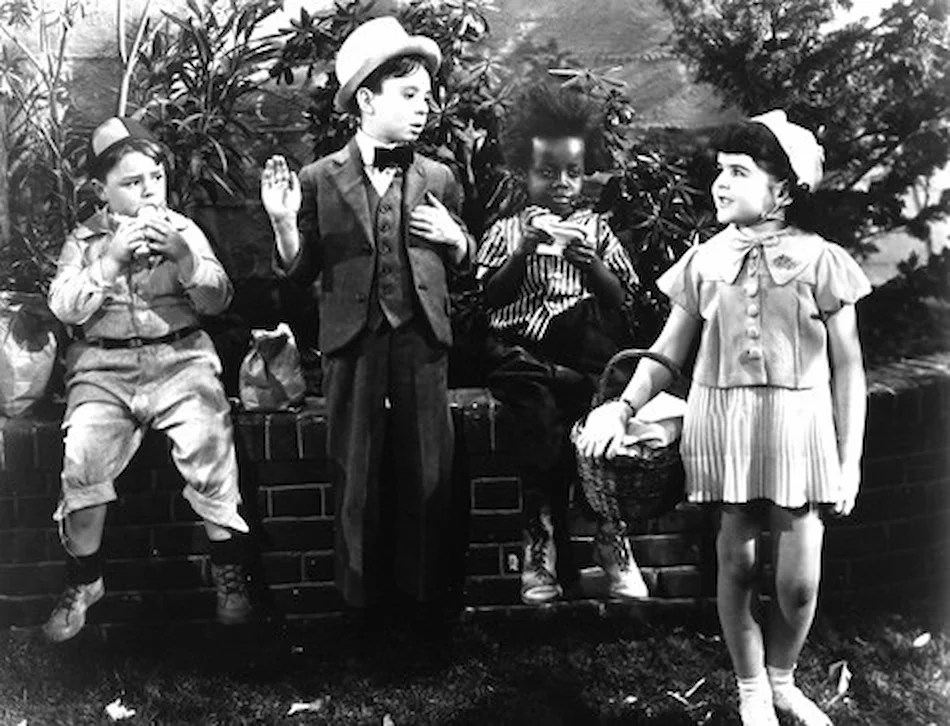
If the Little Rascals were recast as an alternative rap rock band in 1996, I think they’d sound like the Fun Lovin’ Criminals, and their biggest hit would be a song called “Scooby Snacks.”
Suggested Alternative: Chavez – Ride the Fader (1996)
An angel in heaven loses its wings every time an indie rock band makes a great album that maybe 40,000 out of 8 billion people on the planet will ever hear or appreciate. Chavez is one of those bands that clipped a set of wings, and the gods are not pleased.
Ride the Fader is the second and final album from a band that should have gone global with their brand of post-punk hard rock. According to Wikipedia, they never officially broke up, but have been inactive since 2017.
LTJ Bukem – Logical Progression (1996)
[Speaking slowly] I’m sorry, who?
Daniel Andrew Williamson (born 20 September 1967), better known as LTJ Bukem (/ˈbʊkəm/), is a British jungle musician, producer, and DJ. He and his record label Good Looking are most associated with the jazzy, atmospheric side of jungle music.
From Wikipedia
OK, that makes sense.
Manic Street Preachers – Everything Must Go (1996)
Their previous album, The Holy Bible (1994), is really the one you must hear, but this one is pretty good, too. If you like mid-1990s guitar-based British alternative rock. I think they’re one of the most underrated bands of the 1990s.
Marilyn Manson – Antichrist Superstar (1996)
Let me preface this entry by saying that I enjoy some music from Alice Cooper and Kiss, and, if I’m being honest, a couple of tracks by Marilyn Manson. However…
If you sit quietly, close your eyes, and listen, really fuckin’ listen to (most) Alice Cooper and Kiss records, into the deep cuts and beyond the radio hits, the music is pedestrian and void of substance. In other words, stripped of visual theatrics, vapid and derivative music for people who aren’t paying attention anyway.
“Love Gun” by Kiss (1977)
I really love you, baby
I love what you’ve got
Let’s get together, we can
Get hot
No more tomorrow, baby
Time is today
Girl, I can make you feel
OK
No place for hiding, baby
No place to run
You pull the trigger of my
Love gun
To compensate for substandard songwriting, these artists wore silly costumes, stepped into character, and sold millions of records. Unfortunately, platform boots and boa constrictors rarely translate to a listening experience.
There was a period in the late 1990s when roughly 2–3 million people saw Marilyn Manson, identified with his brand of industrial goth metal shock rock, and said, “OK, yeah. Give us more of that.” Conceived as a rock opera concept album, Antichrist Superstar is a crafty mash-up of Nine Inch Nails and Skinny Puppy riffs with a clumsy apocalyptic storyline.
Must-hear? No. Vaguely interesting? Kinda. It’s better than White Zombie.
Maxwell – Urban Hang Suite (1996)

Nick Cave & The Bad Seeds – Murder Ballads (1996)
Like Tom Waits and Leonard Cohen, I never got Nick Cave & the Bad Seeds. I think they’re posers with a gimmick. So, Murder Ballads had zero chance of appealing to me, but I get it, you know? There’s a lid for every pot. Some people like Nick Cave and this record, and we’re not here to shame anybody for taste. Or are we?
Screaming Trees – Dust (1996)
I can’t remember a band I desperately wanted to like as much as Screaming Trees. I mean, they had just about everything I’d appreciate in a post-grunge alternative indie rock band from Seattle. Working-class image? Check. Great guitar work? Check. Unobtrusive lead singer? Check. But I can’t explain it. Dust is boring. Like, there’s nothing special here. A couple of standout tracks (“All I Know” and “Make My Mind”) and a bunch of similar jams.
Sepultura – Roots (1996)
Forget Metallica and Pantera. The most important and powerful heavy metal band of the 1990s is Sepultura. They put Latin metal on the map when they roared out of Brazil with Roots (1996). It’s not music for every day, but Roots isn’t fucking around, man.
From Rock Genres Beginning With L (“Latin metal”)
I stand by that statement.
Stereolab – Emperor Tomato Ketchup (1996)
Tantrum: incoming.
Listening to this electronic avant-pop lounge rock inspires a series of agitated questions like:
“What the fuck are they doing?” and “Why the fuck are they doing it?”
And so, you gotta go down a rabbit hole to learn about Steve Reich, Françoise Hardy, minimalism, experimental and avant-garde music, and a whole bunch of esoteric nonsense about “process” and “intention”, and frankly, people who take themselves this seriously tend to think it’s better to be different than good.
Huddled without passion around their instruments, they look like people who studied that bit too closely during the biology class dissection of frogs. Their fans would argue that passion is not the point, but in its place is just a painstakingly constructed artifice, covering everything from their hip but unflattering 1960s Oxfam chic to French singer Laetitia Sadier’s needless words to the crowd in German. This would be tolerable if their music weren’t put together so theoretically and analytically, entirely without emotion. With their borrowings from early, obscure Kraftwerk and hip obtuse sources, they sound like a band of rock critics rather than musicians.
Dave Simpson, The Guardian, “Stereolab | Manchester University”, 2001
All that to say, “Let’s make some easy listening music for private art school students.”
Suggested Alternative: Brainiac – Hissing Prigs in Static Couture (1996)
This is different and good. See? It can be done without a degree from Oberlin Conservatory.
Super Furry Animals – Fuzzy Logic (1996)
The Welsh band’s debut album is an uncommonly imaginative, catchy, and well-crafted blend of early psychedelic, glam, punk, and classic rock. Fuzzy Logic draws apt comparisons to Syd Barrett, Bowie, and Marillion.
The Cardigans – First Band on the Moon (1996)
First Band on the Moon isn’t a must-hear album, but you can’t deny the bouncy, unapologetic pop rock of “Lovefool”.
The Charlatans – Tellin’ Stories (1996)
I’m supremely confident that there are swaths of rock genres and subgenres that you can skip entirely. Likewise, I’m a believer in the “If You’ve Heard One, You’ve Heard Them All Clause” of popular music, i.e., if you’ve heard one Madchester band, you’ve heard them all.
The Charlatans are six years removed from their big hit, “The Only One I Know”, and somehow, we get Tellin’ Stories.
[Editor’s Note: According to Wikipedia, Tellin’ Stories was released in April 1997.]3
The Divine Comedy – Casanova (1996)
Alright, listen. I had this band confused with the Wedding Present, a British jangle pop band from the late 1980s, so I was expecting to hear some proto-Britpop recorded and engineered by Steve Albini. Wow, I really missed the mark on this one.
The Divine Comedy is essentially the one-man show of Irish singer Neil Hannon, who blends baroque and chamber pop with a Copacabana loverman’s electronic dance pop swagger. Did that last sentence make sense? No? It doesn’t make sense to me either, especially the ‘dance pop swagger’ part. I just made it up. Dance pop doesn’t have “swagger.” It’s a ChatGPT word.
I sincerely and intentionally watched the videos for “Becoming More Like Alfie” and “Something for the Weekend”, and thought, no way, man. He’s gotta be taking the piss out of himself. I scoured the Wikipedia page, looking for mentions of “parody” or “satire”, but no, this guy is dead serious. He can’t be serious!
[Editor’s note: The album’s sixth track, “Songs of Love”, became the theme song of the BBC Channel 4 sitcom Father Ted, but that’s completely unrelated and unintentional humor.]
Casanova’s blend of orchestral pop and smarmy mid-tempo Britpop betrays a stunning lack of self-awareness. I still can’t believe this Neil Hannon guy isn’t kidding. I mean, he’s gotta be kidding. And if he’s not, it’s fucking hilarious. Divine Comedy, indeed.
Suggested Alternative: Failure – Fantastic Planet (1996)
Some guitar-based alternative rock bands were never destined for blockbuster success or designed for longevity. That didn’t stop Failure from crafting a modest catalog of solid albums, peaking on Fantastic Planet.
A drug-addled space rock song cycle that sounds as good today as it did back then.
From 30 Rock Bands from the 1990s You Might Have Missed
The Jon Spencer Blues Explosion – Now I Got Worry (1996)
Howlin’ Wolf meets the Electric Prunes is not a bad proposition, on paper, I guess, I dunno. Delta blues meets garage rock. Now I Got Worry features some groovy elements of Captain Beefheart and noise rock, too.
A Chinese fortune teller once told me that most people are born into destiny by genetics and socioeconomic class, and the rest of us will struggle to find our place in the world.
Tortoise – Millions Now Living Will Never Die (1996)
They’re from Chicago. They’re really good at what they do—experimental post-rock, which, in layman’s terms, is side 1 of Larks’ Tongue in Aspic by King Crimson (1973), except there’s no “Easy Money” on side 2 to cleanse our palates.
Underworld – Second Toughest In The Infants (1996)
More button-pushing. See: Leftfield – Leftism (1995)
Wilco – Being There (1996)
I specifically recall when Wilco’s first album came out; it just didn’t move me. My friends loved ’em, and Jeff Tweedy was involved with Sue Miller, who ran Lounge Ax in Chicago, so I never said anything terribly negative about the band as they released album after album of mid-tempo alternative country, indie rock, and Americana. I thought they had one good song, “Outtasite (Outta Mind)”, and, miraculously, it’s on Being There.
- 120 bpm = 120 beats per minute. The most common tempos in popular music fall between 110–130 bpm, 120 being the average. https://www.beatsperminuteonline.com/en/home/bpm-beats-per-minute-reference-for-music-genres. ↩︎
- From the Pavement song, “Range Life”, on Crooked Rain, Crooked Rain (1994). ↩︎
- https://en.wikipedia.org/wiki/Tellin%27_Stories ↩︎


4 Comments
This guys an idiot
Fair enough. Send me a link to your website.
Finally! Been waiting for this for the longest time, looking forward to the rest of the albums
Thanks for reading! 1997–1998 is coming soon!